Building-wide cockroach treatment in Champigny-sur-Marne
The cockroaches in your kitchen often live in the rubbish chute, the riser or the boiler room. We treat those service areas, then fill the gaps leading to the flats.
- Certibiocide technicians
- 2-hour slots
- Same-day photo report
- Monitoring traps left in place
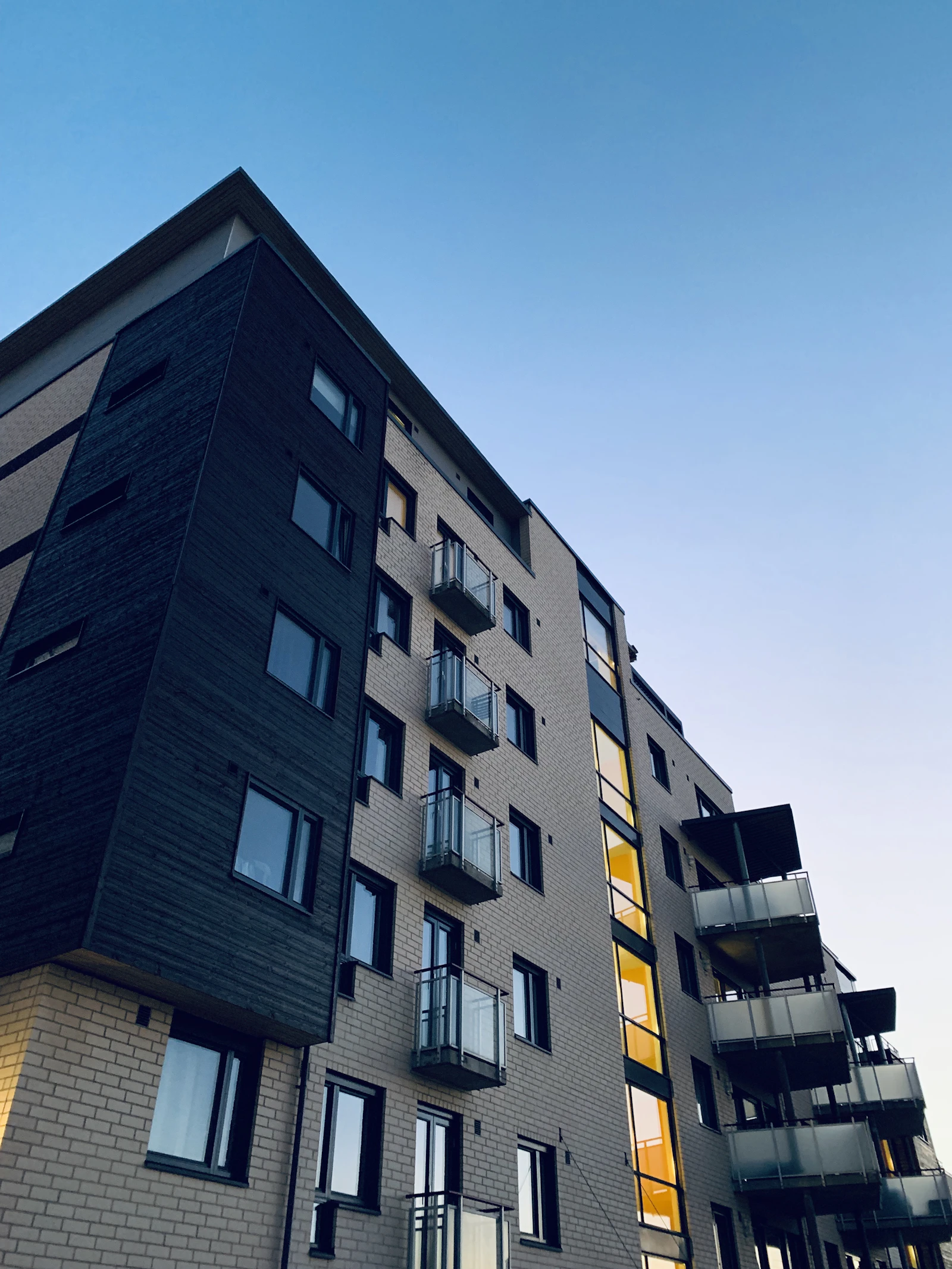 Champigny-sur-Marne · 94
What you get
- Area-by-area hotspot map
- Before / after photos
- List of gaps filled
- Instructions for residents
- Trap readings at the follow-up visit
Our work in Champigny-sur-Marne
Champigny-sur-Marne (94500) is one of the towns where we regularly work in Val-de-Marne. Tenant, owner or manager: the Repère Protocol applies for your building, with monitoring traps, targeted treatment, a follow-up visit and gaps filled.
We treat the building from behind the scenes: from cellar to loft, each area is inspected, monitored with traps, treated according to the species, then sealed. The caretaker, landlord or manager receives an area-by-area photo report the same day, and residents know what to do in their own homes.
Val-de-Marne, where our head office is based, alternates suburban streets, 1960s-70s tower blocks and food hubs around Rungis. Oriental cockroaches like damp basements and drains, German cockroaches prefer kitchens, and the banks of the Marne and the Seine remain rodent country. Our technicians know this kind of building, and the inspection in Champigny-sur-Marne takes it into account from the first visit.
We find the source before we treat
The Repère Protocol always follows the same order: find where the pests live, treat right there, check with monitoring traps, then fill the gaps and advise the occupants.
- 01
Locate
Torch inspection of service areas, borescope in risers where needed, monitoring traps in every area and a hotspot map.
- 02
Treat
Gel bait and growth regulator in chutes, risers and bin rooms, dry steam on soiled surfaces; secure bait stations in cellars and car parks for rodents.
- 03
Check
Follow-up visit as set out in the protocol: traps read area by area, another treatment wherever activity continues.
- 04
Prevent
Penetrations and sleeves sealed, before/after photo report, upkeep advice for the caretaker and instructions for residents.
Cockroaches first, and the rest too
- German cockroaches (risers, kitchens)
- Oriental cockroaches (cellars, rubbish chutes)
- Brown rats (car parks, courtyards, sewers)
- Mice (false ceilings, risers)
- Ants (ground floor, joints)
- Bin room disinfection
Who it's for
- Residents and tenants
- Building owners
- Caretakers and concierges
- Social landlords and property companies
- Student and senior residences
- Mixed residential and retail buildings

Bin rooms and rubbish chutes need watching
The règlement sanitaire départemental (local public-health code) requires bin rooms, rubbish chutes and a building's outbuildings to be kept clean and the necessary steps taken against insects and rodents. They are often the first hotspots in a building.
Treatment does not replace upkeep: regular washing of bins and the bin room, doors that close, drain traps kept wet, leaks fixed. Our report separates what is down to treatment from what is routine maintenance, so everyone knows their part.
How do I get a quote for a building in Champigny-sur-Marne?
Send us the address in Champigny-sur-Marne and what residents are noticing. We reply with a detailed quote, or first suggest an inspection visit if the situation calls for it.
What about rats in the car park?
With their drains and plant rooms, car parks attract brown rats. We install secure bait stations and trace the entry points from the street and the sewers, then seal them.
Do I need a contract?
No. A one-off job on quote is often enough. If the report shows ongoing pressure around the building, we can then suggest periodic follow-up, with no obligation.
Why do cockroaches come back after my flat was treated?
Because the main colony often sits in a shared area (riser, rubbish chute, boiler room) and moves back into treated homes. We locate and treat that source at the same time as the affected flats.
Buildings: other towns in Val-de-Marne
Our other offers for buildings and businesses
Have your building's hotspots located
Tell us the address, the areas involved and what residents are seeing. We'll suggest an inspection and a detailed quote.
A tenant or owner with the problem in your own home? Book your visit online →